
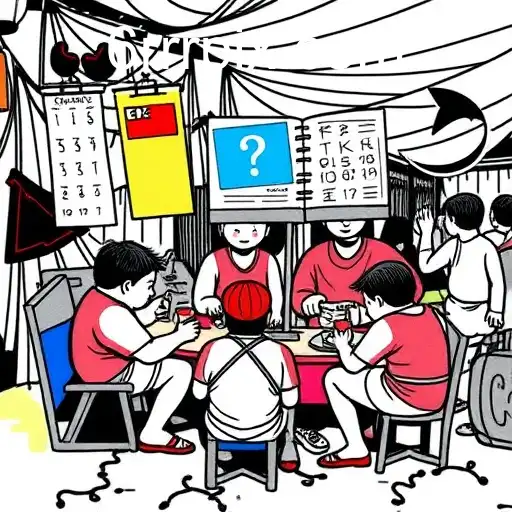

Understanding Jueteng: A Cultural and Economic Force in the Philippines
Jueteng is a pervasive numbers game in the Philippines that has captivated millions, transcending both cultural and socioeconomic boundaries. Its roots trace back to the Spanish colonial period, evolving into a significant part of Filipino culture and economy. This article seeks to unlock the complexities behind jueteng, examining its origins, operation, influence, and the keyword "6RRR" that has gained traction in recent discussions.
The Origins of Jueteng
The origins of jueteng can be traced to the Spanish colonial era, where it began as a popular pastime among the local Filipino population. Eventually, it transformed into a sophisticated and highly organized betting system that continues to thrive today. The term "jueteng" itself is believed to derive from two Chinese words — "hue," meaning "flower" and "teng," meaning "bet." This denotes the cultural fusion present in the game’s inception, reflective of the broader cultural shifts under Spanish rule.
How Jueteng Works: The Mechanics
Jueteng involves selecting a combination of numbers, traditionally from 1 to 37. The winning numbers are usually drawn twice a day, and the payout can be significant compared to the initial bet size, attracting a wide array of participants from various economic backgrounds. The operators, often referred to as "cobradores" and "cabos," collect bets from the players and relay them to the main collector or "jueteng lord." Those running the operations typically maintain a veil of secrecy, yet the system itself operates in a highly structured manner.6RRR
The Socioeconomic Impact of Jueteng
Despite its illegal status, jueteng persists as a socioeconomic phenomenon in the Philippines. It provides livelihoods for thousands involved as cobradores and cabos, who earn commissions from the bet collections. For many Filipinos living in poverty, jueteng represents a quick means to livelihood or potential escape from financial hardship, albeit laced with risk and unpredictability. The game's allure is amplified in economically challenged villages, where state-sponsored gaming options are either absent or inadequate.56pg
The Political Ties of Jueteng
Over decades, jueteng has been intertwined with politics, with allegations surfacing repeatedly about officials receiving cutbacks or protection fees. Some public figures have faced scrutiny and scandals associated with the game, as their careers became entwined with jueteng funds either through endorsements or passive support. This ongoing interplay between politics and jueteng underlines a broader narrative about the difficulty in eradicating the game entirely, despite significant legal and logistical efforts.
The Emergence of 6RRR
The keyword "6RRR" has emerged as part of recent jueteng discourse, possibly linked to evolving strategies within the game’s execution or new methods for bypassing regulatory oversight. While the exact connotations of "6RRR" remain speculative, its inclusion in discussions highlights the complexity of tracking and understanding the evolving landscape around illicit numbers gaming in contemporary times.
Why Jueteng Persists Despite Crackdowns
The persistence of jueteng can be attributed to multiple factors, primarily its deep-rooted cultural significance and the socioeconomic issues it addresses. For many Filipinos, jueteng is not merely a form of entertainment but a culturally embedded practice woven into the fabric of daily life. Furthermore, inadequate law enforcement and the benefits derived by certain political figures from the proceeds of jueteng perpetuate its existence despite numerous crackdowns and official denouncements.56pg
Efforts to Combat Jueteng
Governments have periodically launched aggressive campaigns to eradicate jueteng, employing tactics such as increased police raids, public awareness campaigns, and the introduction of legitimate gaming alternatives. However, these measures often fall short as the inherent flexibility and adaptability of jueteng operators outmaneuver regulatory frameworks. The supports and livelihoods built around the game complicates the enforcement further.
Conclusion
Jueteng represents more than just an underground numbers game. It is a reflection of historical legacy, cultural integration, and socioeconomic realities facing many in the Philippines. As the keyword "6RRR" looms in the background of new narratives concerning the game, understanding jueteng requires a nuanced appreciation of its intricate operation within the socio-political context of the nation.6RRR
56pg